
 By Admin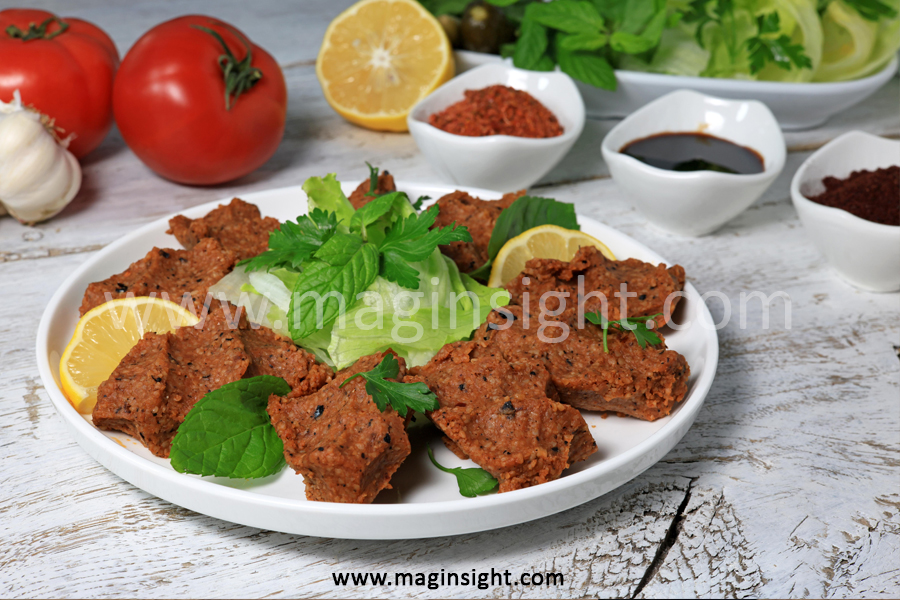
Ceıvır is a traditional dish that captures the heart of Turkish cuisine by delivering an explosion of flavors in every bite. Known for its rich seasoning, carefully balanced textures, and deep cultural roots, this dish reflects how Turkish food turns simple ingredients into unforgettable meals. It is not just something people eat; it is something they experience—often shared during family gatherings, celebrations, or special occasions where food becomes the center of connection.
What makes this dish truly special is how it represents the philosophy of Turkish cooking: respect for ingredients, patience in preparation, and love in serving. Over time, it has evolved while still holding on to its authentic essence. In this article, we will explore its origins, ingredients, preparation methods, cultural importance, and why it continues to hold a cherished place in Turkish kitchens today.
The Origins of a Flavorful Tradition
The roots of this dish trace back to regions where food was prepared with care and intention. Historically, meals were not rushed; instead, they were crafted slowly, allowing flavors to develop fully. This dish emerged from that tradition, shaped by local ingredients and culinary wisdom passed down through generations.
Over the years, families adapted the recipe slightly to match their regional tastes. Despite these variations, the core idea remained the same: create a dish that is satisfying, comforting, and deeply flavorful. This strong foundation explains why it has endured for so long in Turkish culinary culture.
Ingredients That Define the Dish
At the heart of this dish lies a carefully selected combination of fresh ingredients. Quality meat, aromatic spices, and complementary vegetables work together to create depth and balance. Each ingredient has a purpose and contributes to the overall harmony of flavors.
Spices are especially important, as they give the dish its signature character. Rather than overpowering the palate, they enhance the natural taste of the main components. This thoughtful use of ingredients is a hallmark of Turkish cooking and a key reason the dish remains so beloved.
Ceıvır and the Art of Preparation
Preparing ceıvır is as much an art as it is a recipe. The process often begins with marinating, allowing flavors to penetrate deeply. Cooking is done slowly and attentively, ensuring tenderness and richness.
This method reflects a broader cultural value: good things take time. Rushing the process would compromise the final result. As a result, preparation becomes a meaningful activity, often involving multiple family members working together.
Regional Variations Across Turkey
Like many traditional dishes, this one has regional interpretations. Some areas emphasize spiciness, while others focus on subtle, earthy flavors. These differences are influenced by local climates, available ingredients, and cultural preferences.
Despite these variations, the dish maintains its identity. Each version tells a story about the region it comes from, making it a culinary map of Turkey’s diverse food culture.
Cultural Importance at the Family Table
Food in Turkey is deeply tied to family and hospitality. This dish is often prepared for gatherings, where sharing a meal strengthens relationships. Serving it to guests is a sign of respect and generosity.
The act of eating together transforms the dish into more than nourishment. It becomes a shared moment of connection, conversation, and memory-making that lasts far beyond the meal itself.
Ceıvır in Festive and Special Occasions
Ceıvır frequently appears during celebrations and holidays, where food symbolizes abundance and joy. Its presence on the table signals that the occasion is meaningful and worth celebrating fully.
Festive preparations may involve larger quantities and extra care in presentation. This highlights the dish’s role as a centerpiece, bringing people together through shared enjoyment.
Nutritional Balance and Satisfaction
Beyond flavor, this dish offers nutritional value when prepared traditionally. Protein-rich ingredients, combined with vegetables and spices, provide both energy and nourishment.
When enjoyed in moderation as part of a balanced diet, it aligns well with wholesome eating principles. This balance of taste and nutrition is another reason it remains relevant in modern diets.
The Role of Spices and Aroma
A defining feature of the dish is its aroma. As it cooks, spices release fragrances that fill the kitchen and build anticipation. Smell plays a powerful role in how people experience food, and this dish excels in that area.
Spices are chosen not just for heat but for warmth and complexity. Their careful balance ensures that no single flavor dominates, resulting in a rich and inviting profile.
Ceıvır in Modern Turkish Cuisine
In contemporary kitchens, ceıvır continues to adapt. Chefs experiment with presentation while respecting traditional flavors. Home cooks also adjust cooking techniques to suit modern lifestyles.
Despite these changes, the essence remains intact. The dish proves that tradition and innovation can coexist, keeping cultural food relevant for new generations.
Pairing and Serving Suggestions
Serving this dish properly enhances the overall experience. It is often paired with simple sides that allow its flavors to shine. Bread, salads, or light accompaniments complement it well.
Presentation also matters. A thoughtfully served dish reflects care and pride, reinforcing its importance at the table and elevating the dining experience.
Why Ceıvır Continues to Endure
Ceıvır has stood the test of time because it resonates on multiple levels. It satisfies hunger, delights the senses, and carries cultural meaning. Few dishes achieve this combination so effortlessly.
Its ability to adapt while remaining authentic ensures its continued place in Turkish cuisine. Each generation adds its own touch without erasing the past.
Final Thoughts on Ceıvır
Ultimately, this dish represents more than a recipe—it embodies tradition, patience, and shared joy. It tells a story of culture through flavor and brings people together around the table.
As food trends come and go, ceıvır remains a reminder that timeless dishes endure because they speak to something deeper. By preserving and enjoying it, people keep a meaningful part of culinary heritage alive for future generations.